
How to Search Criminal Dockets
The statewide starting point is New Mexico Case Lookup. It covers appellate, district, magistrate, metropolitan, and municipal courts. A case number gives the cleanest Lea County criminal docket result. No case number? Narrow things down with court location, category, year, party name, or attorney. Expect the site to ask for JavaScript and a CAPTCHA check before it loads results. That hurdle only gates access. It tells you nothing about the case itself.
- Identify the court level from the charge and issuing agency.
- Search Case Lookup by case number, or select the appropriate Lea location and filters.
- Use the current hearing schedule for a near-term setting.
- Call the responsible clerk if the record is old, missing, or unclear.
Court level decides where a Lea County docket search should point. Felonies belong to the Lea County District Court. State misdemeanors, DWI matters, and felony preliminary hearings go to the magistrate courts. Those sit in Hobbs, Lovington, and Eunice. City ordinance violations, petty misdemeanors, DWI/DUI, and city traffic cases go to the municipal court clerk. That clerk serves Hobbs, Lovington, Eunice, Jal, or Tatum.
Lea County Felony Criminal Dockets
Felony registers of actions begin at the Lea County District Court in Lovington. That court is part of the Fifth Judicial District. The district clerk files, processes, and keeps those case records. A felony may pass through magistrate court first for its preliminary stage. After that, the district docket is where the case lives. The Fifth District court page lays out the district court's role and its local structure.
The Fifth District judge page lists the district divisions assigned in Lovington. A division number helps you match a hearing setting or case location. Judges do not hold the records, though. For a case file, the current register, or copy procedures, ask the district clerk's office. That office is the real source for any Lea County court docket copy.
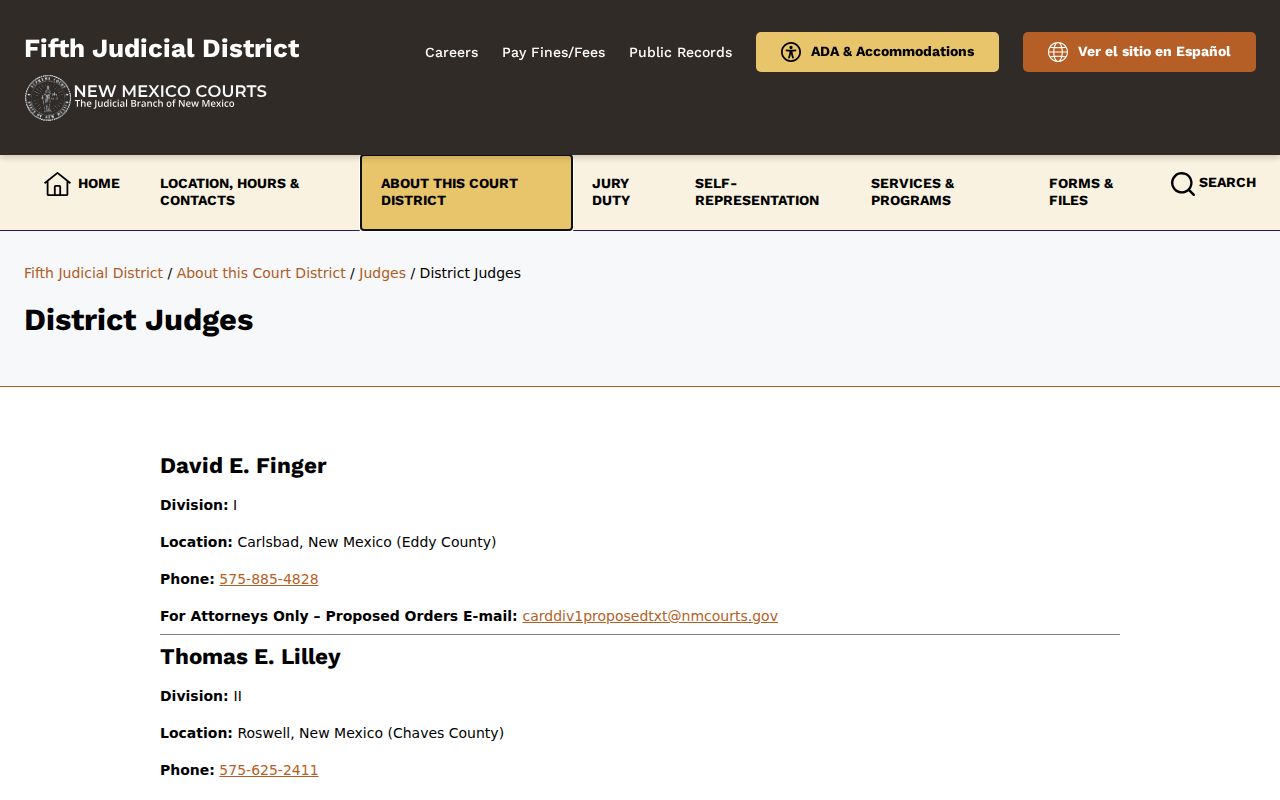
Use the division listing to find the right Lea County criminal court docket. Turn to the clerk for a record copy or authoritative confirmation of the case.
What a Criminal Docket Shows
A criminal docket is a timeline, not the whole file. Expect to see the case number, filing date, court location, category, status, parties, judicial officer, charges, hearings, motions, disposition, and related cases. Not all of it is public. Some fields open only through registered secure access. Visibility shifts with the case and the governing access rule. Read the docket as an index of events rather than the evidence itself.
| Case header | Case number, caption, type, filing date, court, and judicial officer. |
|---|---|
| Charge data | Charge date, sequence, offense, statute or classification, and disposition when available. |
| Events | Filings, hearings, motions, orders, and setting changes in the register of actions. |
| Outcome | Disposition and date, not a promise that every filed document is public. |
| Financial fields | Assessments, payments, credits, and balance data when the secure case schema makes them available. |
A warrant flag is not a warrant. An event label is not a disposition. A flag merely marks something in the record schema, so confirm any current warrant status with the clerk or the issuing court before drawing conclusions.
Lea County Magistrate Criminal Dockets
A felony may start its preliminary process at the magistrate level. That hearing shows on the magistrate docket. Lea County runs magistrate venues in Hobbs, Lovington, and Eunice. Each keeps its own limited-jurisdiction docket. Pick the right location before searching by name or case number. Otherwise you may miss the case entirely. Jal Magistrate Court has closed, and the Fifth District sends Jal magistrate questions to Eunice. The magistrate judge listing adds court-level context for Hobbs, Eunice, and Lovington.
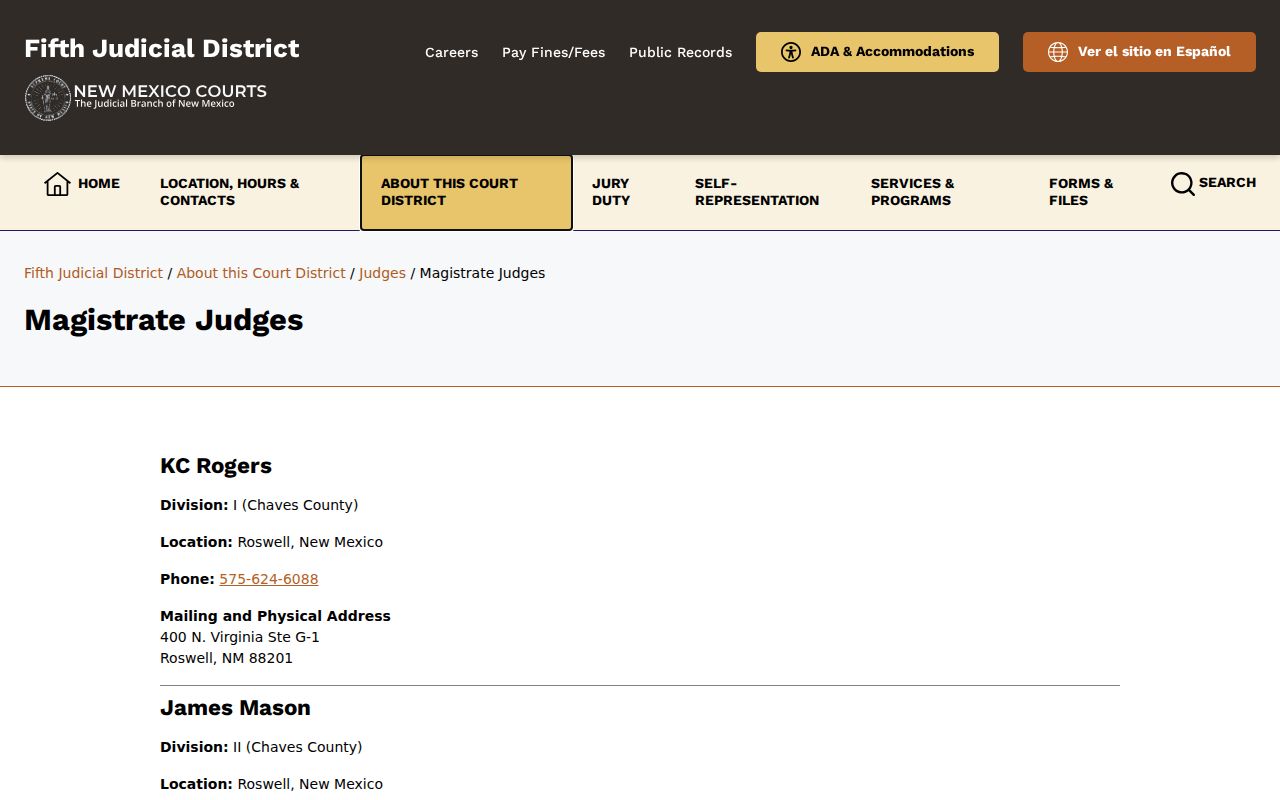
The official listing helps separate a Lea magistrate criminal docket from a municipal citation or ordinance docket. Those are different records kept by different clerks.
Lea County Criminal Docket Documents
A docket indexes events; the documents are separate items. The charging instrument, a motion, an order, or a judgment must be requested on its own. Case Lookup does not hand those over. Registered re:SearchNM access, a visit to the clerk, or a copy request may be needed once the register points to a specific filing.
When you ask, quote the docket's exact event wording and date. That detail lets the Lea County district, magistrate, or municipal clerk find the item fast. A general search result alone guarantees no document access.
Stages on a Criminal Docket
Event order is the key to reading a criminal case. A Lea County docket may show a complaint, indictment, or information, then a summons or warrant event, arraignment, plea, preliminary hearing, discovery, motions, a pretrial setting, reset or continuance, trial, verdict, judgment or sentence, and an appeal notice. Few cases hit every step. And no entry predicts how a later hearing will turn out.
Filing → Arraignment → Pretrial → Plea or Trial → Disposition → Sentencing.
Labels deserve care. A "continuance" or "reset" means a hearing date moved; it is not a dismissal. A "disposition" records an outcome, while "sealed" or "restricted" marks an access limit. These differences matter. They matter most when a Lea County criminal docket shows only a short status label without the document behind it.
Lea County Criminal Docket Events
re:SearchNM is the Judiciary's registered secure route. It reaches digitized case files in district and magistrate matters. Its official user guide covers filters for case, filing, hearing, party, event, document, and financial details. You can search an exact case number. Or filter by status, filing date, court location, hearing, and filing code. Access groups and the record's own restrictions control what you see.
Read charge, event, and disposition as three different fields. A charge names an allegation. An event records what happened in the court process. A disposition records a resolution. Case Lookup, the public index, is not a document repository. That holds even when an event mentions a motion or judgment. Note: Tyler File & Serve is an authorized filing channel. It is not a substitute for public case search or the local clerk's record route.
Which Court Holds Criminal Dockets
Which office holds a Lea County criminal docket depends on the charge. Felony files live with the district clerk. Misdemeanor, DWI, and traffic cases belong to the magistrate clerks, along with preliminary-hearing records. City ordinance and citation dockets sit with each municipal clerk. Pick the wrong court and your search stalls. A state case will not be at a municipal court. A Hobbs city citation will not be at district.
| Court level | Lea criminal docket coverage | Custodian route |
|---|---|---|
| District Court | Felony criminal cases | Lea District Court clerk in Lovington |
| Magistrate Court | State misdemeanors, DWI, traffic, felony preliminary hearings | Hobbs, Lovington, or Eunice magistrate clerk |
| Municipal Court | City ordinance, petty misdemeanor, DWI/DUI, and city traffic cases | The issuing city’s municipal clerk |
Need the mechanics of a name or case number search across these courts? The Lea County case search reference covers them.
Lea County Criminal Warrant Check
A re:SearchNM guide lists a warrant flag as one field inside the secure record schema. Treat any flag, or its absence, as a clue rather than an answer. The issuing court or clerk can confirm what is active today. The court record itself remains the authority on the current event or status. That habit keeps charge information, docket events, dispositions, and warrant details in their proper lanes when you read a Lea County criminal docket.
Lea County Criminal DWI Dockets
The 2024 New Mexico DWI Dispositions Report counted 34 Lea district dispositions. It counted 269 at the magistrate level. The gap shows why court level matters in local criminal data. One caution: a disposition total is not the same as a conviction total. Municipal DWI information also gets a narrower public-data treatment of its own.
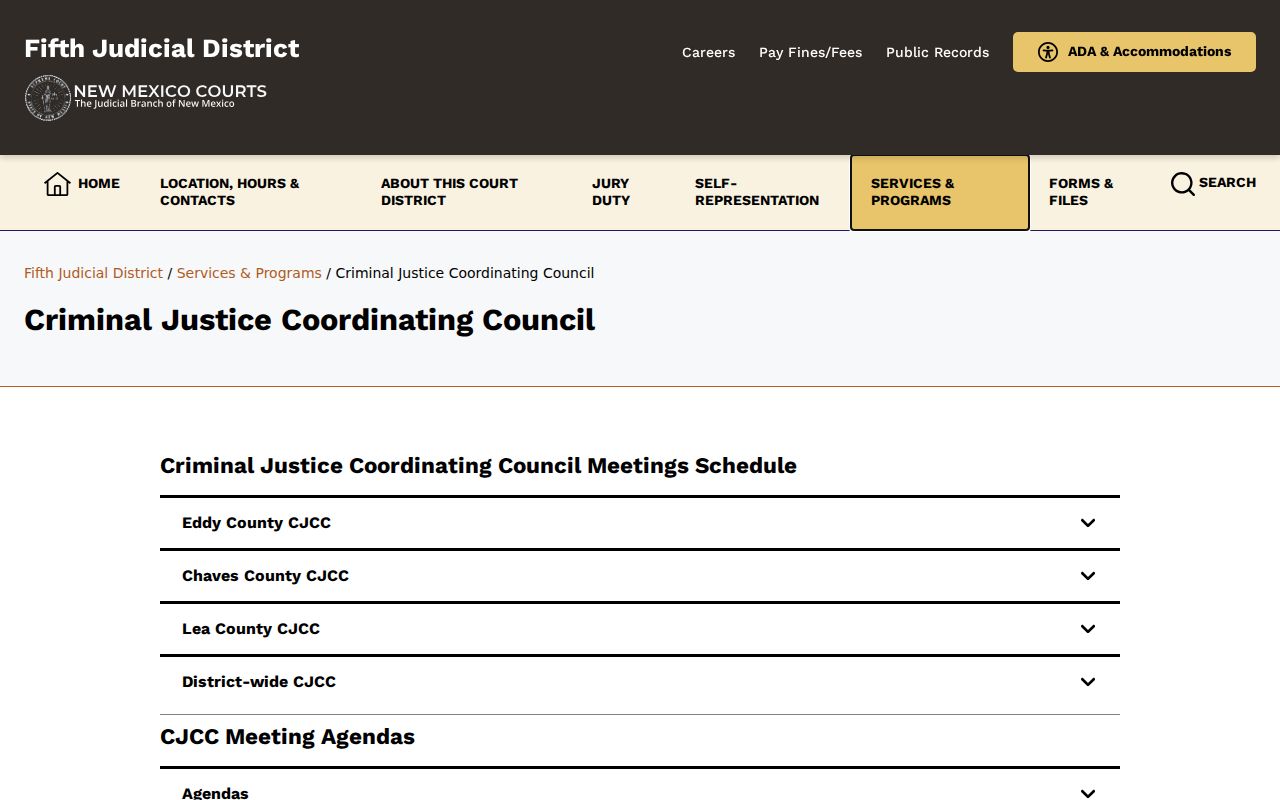
Local criminal justice information can frame the docket figures. For an individual Lea County criminal case, the case register and the responsible clerk still come first.
Public Access and Sealed Criminal Dockets
Public access has limits. Case Lookup shows no filed documents and excludes or restricts confidential material. Juvenile criminal cases, Family Violence Protection Act protection-order cases, sealed records, and similar protected files will not surface in an ordinary public name search. Cases older than June 1997, when statewide automation was completed, can also run thin online.
Access rule: Rule 1-079 NMRA governs public inspection and sealing of court records. The New Mexico Courts IPRA form can route a reasonably described public-record request, but an IPRA request cannot override a seal or confidentiality rule.
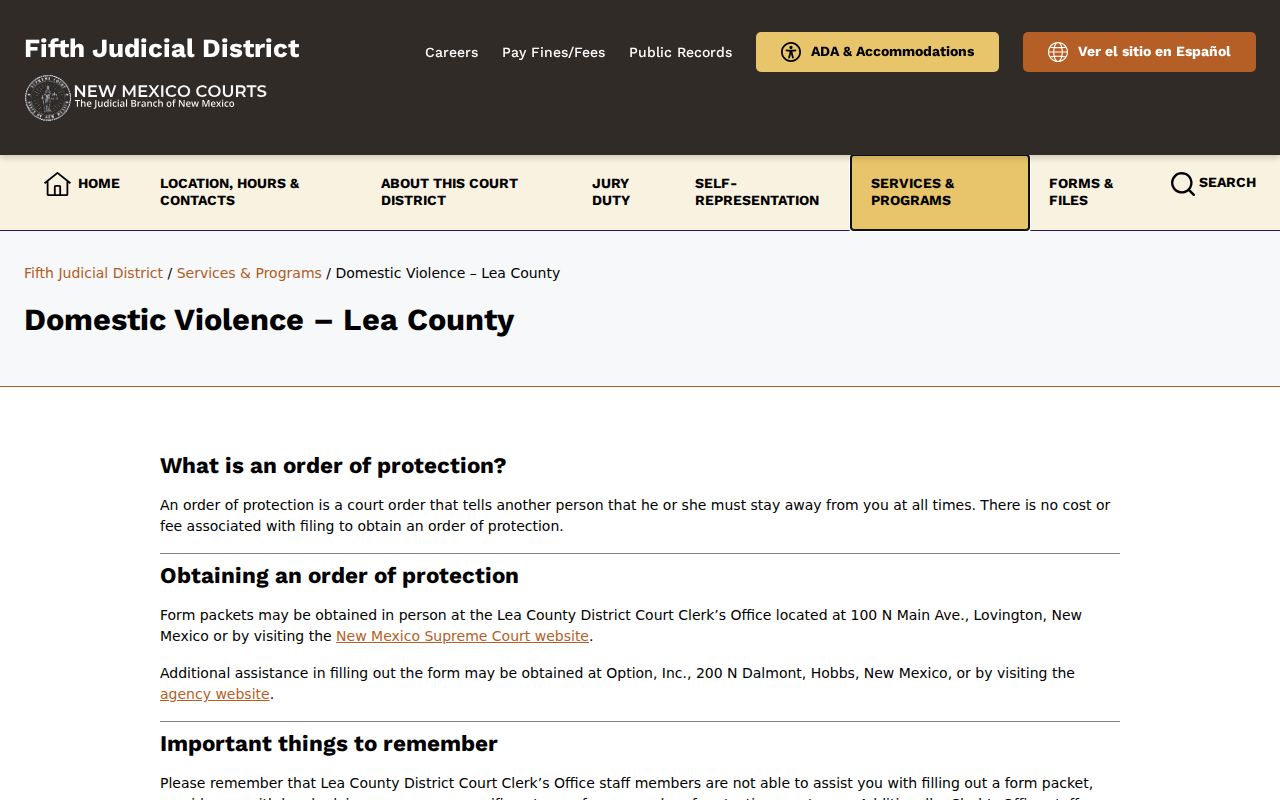
The protection-order resource routes filings through the Lea district clerk. That route shows why restricted court material calls for the correct clerk process. A public docket promise will not carry it. Note: A missing public entry may reflect a restriction. It could also mean an older record or a different court location. It is not a disposition by itself.
Lea County Criminal Schedule Check
Checking a current criminal setting? Match the court level and location to the Fifth District hearing schedule. Coverage runs the current day plus six future days. Anything outside that window belongs in the case event view, confirmed with the clerk. A schedule tells you timing. The full criminal register is the broader record of filings, motions, hearings, resets, and disposition.
Lea County Older Felony Dockets
An older felony may fail to appear online. Confirm the court and case number with the Fifth District court finder first. Then call the Lea district clerk at 575-396-8571. You can also inspect the record at the clerk counter, or use the district records route at lovdfax-grp@nmcourts.gov. A solid request names the court, the case number or caption, and the record sought. Add the date range and whether you need a plain or certified copy.
The Fifth District hearing schedules reach no further than the current day and six days ahead. For a historical setting or an event missing from both online systems, the clerk is the practical next step. The statewide Courts IPRA form offers one more route. It works for a public record described well and directed to the court that holds it.